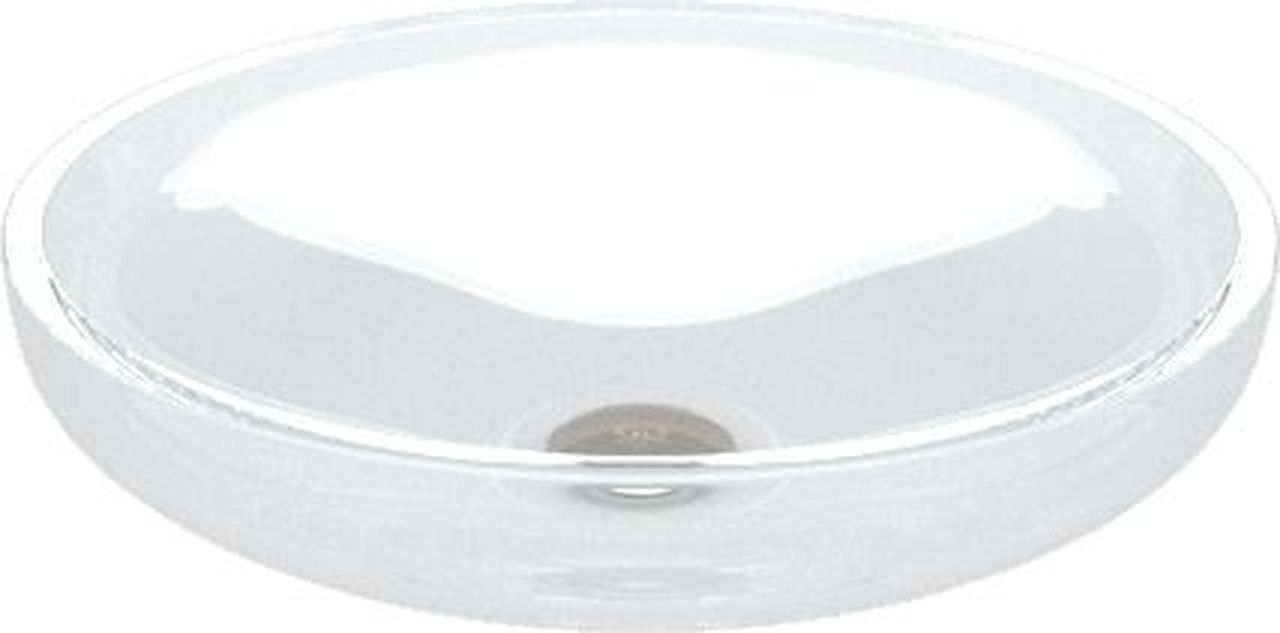
Countertop washbasins – everything you need to know at a glance
Countertop washbasins are among the most popular design elements in modern bathrooms. They appear light, design-focused and deliberately showcase the wash area. At the same time, they place specific demands on planning, dimensions and technical details. To help you make an informed decision about whether a countertop washbasin is suitable for your bathroom, you will find all the relevant aspects clearly and practically explained here.


What is a countertop washbasin?
A countertop washbasin, unlike a classic inset or undermount basin, is installed entirely on top of a washstand or vanity unit. The basin remains fully visible and becomes a central design feature of the wash area. This type of installation offers a high degree of design freedom but requires careful coordination of all components.
Choosing the right size, shape and depth
Assess the available space realistically
Before making a selection, it is important to carefully consider how much space is actually available in the bathroom. A large countertop washbasin can quickly appear bulky in smaller bathrooms and restrict freedom of movement. In more spacious rooms, however, the basin can be used deliberately as a prominent design feature.
Shape and style
The shape of a countertop washbasin has a significant impact on the overall look of the wash area. Depending on its basic form, different design styles and spatial effects can be deliberately emphasised.

Round or oval
Round and oval countertop washbasins appear soft, harmonious and particularly homely. They bring a sense of calm to the space and are well suited to bathrooms with natural materials, gentle colours and organic forms. These basin shapes are timeless and work equally well in modern as well as more classic bathroom designs.

Square or rectangular
Square and rectangular countertop washbasins represent clean lines and a modern, structured appearance. They emphasise minimalist or architectural bathroom designs and combine particularly well with straight-lined vanity units and minimalist taps. These shapes appear deliberately bold and well ordered.

Asymmetrical designs
Asynnetrical countertop washbasins create distinctive design accents and turn the wash area into a visual focal point. They are particularly suitable for guest WCs or design-led bathrooms where individuality and an unconventional style take centre stage. Due to their special shapes, they require careful planning of both the vanity unit and the tap.
Depth and splash behaviour
The depth of the basin is often underestimated. Shallow countertop washbasins may look elegant, but they can cause more splashing. Deeper models are generally more comfortable in everyday use and easier to maintain, especially in family bathrooms.
Choosing the right material
The material of a countertop washbasin influences not only its appearance, but also its feel, maintenance requirements and durability. As the basin sits openly on the vanity top, the quality of the material plays a particularly important role.

Ceramic
Ceramic is the most commonly used material for countertop washbasins. It is extremely durable, colour-fast and very easy to maintain. The smooth, non-porous surface is hygienic and resistant to cleaning agents. Ceramic is ideal for everyday use and suits both modern and classic bathroom designs.

Solid Surface
Solid Surface is a high-quality mineral-based material with a non-porous, matte surface. Countertop washbasins made from Solid Surface have a modern, calm appearance and are particularly well suited to minimalist bathroom concepts. The material is hygienic, moisture-resistant and easy to care for. Minor signs of wear can often be sanded out if required.

Glass
Countertop washbasins made of glass appear light, modern and elegant. They create striking design accents, particularly in guest WCs or design-led bathrooms. Glass is hygienic but more prone to water marks, fingerprints and fine scratches, making regular cleaning especially important.

Steel enamel
Steel enamel combines a steel core with a highly durable enamel surface. The material is extremely robust, scratch-resistant, hygienic and heat-resistant. Countertop washbasins made from steel enamel are ideal for heavily used bathrooms and impress with their long service life and timeless appearance.
Design coordination
With countertop washbasins, design coordination is particularly important, as the basin sits visibly on the vanity top and strongly influences the overall look of the wash area. In addition to shape and material, the choice of colour plays a key role. It determines whether the washbasin blends harmoniously into the bathroom or is deliberately used as a visual focal point.

White
White countertop washbasins are timeless and highly versatile. They appear light, hygienic and calm, and suit almost any bathroom style – from classic to modern and minimalist. When combined with wood, natural stone or light-coloured vanity tops, they create a balanced and welcoming overall look. White basins also offer a great deal of design freedom when choosing the tap.

Black
Black countertop washbasins create strong visual accents and appear particularly modern and expressive. They are especially effective in clearly designed bathrooms where colours and materials are used in a restrained and deliberate way. Careful coordination with the tap and vanity unit is essential to prevent the wash area from appearing too dominant. Water marks may be more visible on dark surfaces, which should be taken into account when it comes to maintenance.

Coloured
Coloured countertop washbasins allow for highly individual bathroom concepts. Subtle natural and earthy tones appear elegant and understated, while bold colours create striking highlights. It is important that the colour of the washbasin is echoed elsewhere in the bathroom – for example through accessories, furniture or wall surfaces – to create a harmonious overall look.
Surface finish and material effect
In addition to colour, the surface finish also influences the overall appearance of the wash area. Matte surfaces appear modern and understated, while glossy finishes reflect more light and make the basin appear more prominent. What matters most is the interaction between the washbasin, tap, vanity top and the other bathroom elements.
The right tap for countertop washbasins
Height and projection
Not every tap is suitable for a countertop washbasin. It is important that the water flow hits the centre of the basin. Taps that are too low can be impractical, while taps that are too high may cause excessive splashing. Taps designed specifically for countertop washbasins are therefore manufactured with a greater height.
Deck-mounted or wall-mounted tap
With countertop washbasins, the choice of tap plays a particularly important role, as the height of the basin and the installation method have a direct impact on comfort and functionality.

Deck-mounted tap
A deck-mounted tap is installed on the vanity top or the vanity unit itself. It is the most common solution for countertop washbasins, as it is flexible to use and relatively easy to plan. It is important that the tap is sufficiently tall and has the right projection so that the water flow hits the centre of the basin. Deck-mounted taps are particularly suitable when existing connections are to be used or when planning should remain as straightforward as possible.

Wall-mounted tap
Wall-mounted taps are installed above the washbasin on the wall and create a very clean, architectural look. They provide more free space on the vanity top and make it easier to keep the surface clean. However, wall-mounted taps require early and precise planning, as the water connections and installation height must be exactly matched to the countertop washbasin. Changes at a later stage usually involve significantly more effort.
Vanity top and vanity unit

Material and water resistance
As countertop washbasins sit openly on the vanity top, a water-resistant and robust material is essential. Proven options include coated woods, natural or engineered stone, glass and mineral-based materials.

Dimensions and comfort
The vanity top should be large enough to provide sufficient space next to the basin for everyday items. At the same time, the height of the basin affects the overall height of the wash area, which is an important factor for ergonomic comfort.

Making effective use of storage space
A vanity unit is optional, but it provides valuable storage space for towels, toiletries and bathroom accessories.
Drain and overflow – an often overlooked detail
The drain plays a crucial role with countertop washbasins, as many models do not have an integrated overflow. In such cases, a drain valve without an overflow is essential. Only this ensures that the basin drains correctly and prevents water from escaping uncontrollably.
The type of drain valve also affects everyday comfort. Push-open valves have a particularly modern look and can be opened and closed easily by pressing them. Pop-up waste (rod-operated) valves are operated via a knob or lever and are especially suitable if a more traditional method of operation is preferred. Regardless of the variant, the drain should be visually coordinated with both the washbasin and the tap, as it remains visible with countertop washbasins.
Carefully selecting the right drain is therefore not only important from a technical perspective, but also contributes significantly to a cohesive and well-designed wash area.

Installation and mounting
A countertop washbasin must be installed securely and permanently. This is usually done using suitable sanitary silicone. For professional installation – especially when using wall-mounted taps or heavy materials – it is advisable to rely on a qualified sanitary installer. This helps to reliably prevent leaks and potential consequential damage.
Cleaning and everyday care
Maintenance largely depends on the material chosen. As a general rule:
- Regular cleaning helps prevent limescale and deposits
- Only use cleaning products that are suitable for the specific material
- Avoid aggressive or abrasive cleaners
This will help keep the countertop washbasin looking good and fully functional in the long term.

Advantages and disadvantages of countertop washbasins at a glance
Advantages
- Modern, high-quality appearance
- Wide variety of designs
- Individual wash area with architectural character
Disadvantages
- Higher planning effort required
- Precise coordination of tap, vanity top and drain is essential
- In some cases, increased cleaning effort around joints and transitions
Conclusion: Who is a countertop washbasin suitable for?
A countertop washbasin is ideal for anyone who values design, individuality and modern bathroom aesthetics. Those who are willing to invest a little more time in planning and coordination are rewarded with an exceptional wash area that combines functionality and visual appeal. This type of basin is particularly well suited to guest WCs, design-led bathrooms and spacious family bathrooms.
Buy countertop washbasins online
Countertop washbasins are available in a wide range of shapes, sizes and materials and can be tailored to suit your bathroom. In our online shop, you can easily compare different models and choose the washbasin that best meets your requirements.