
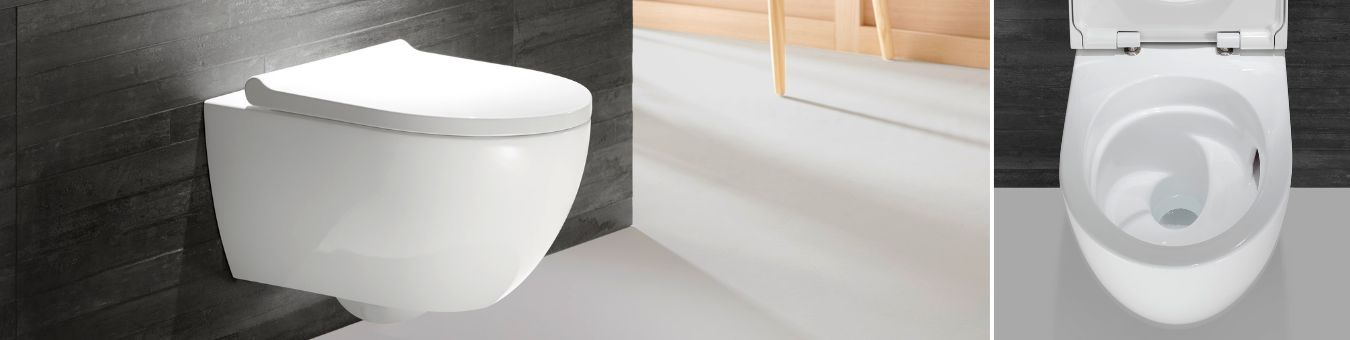
Rimless toilets - modern and hygienic
Rimless toilets are becoming increasingly popular – and for good reason. They combine modern technology with superior hygiene and significantly simplify bathroom cleaning. But what exactly makes a rimless WC so special, what advantages does it offer, and what should you consider when buying one? This guide explains all the important aspects and helps you make the right choice for your home.
What is a rimless toilet?
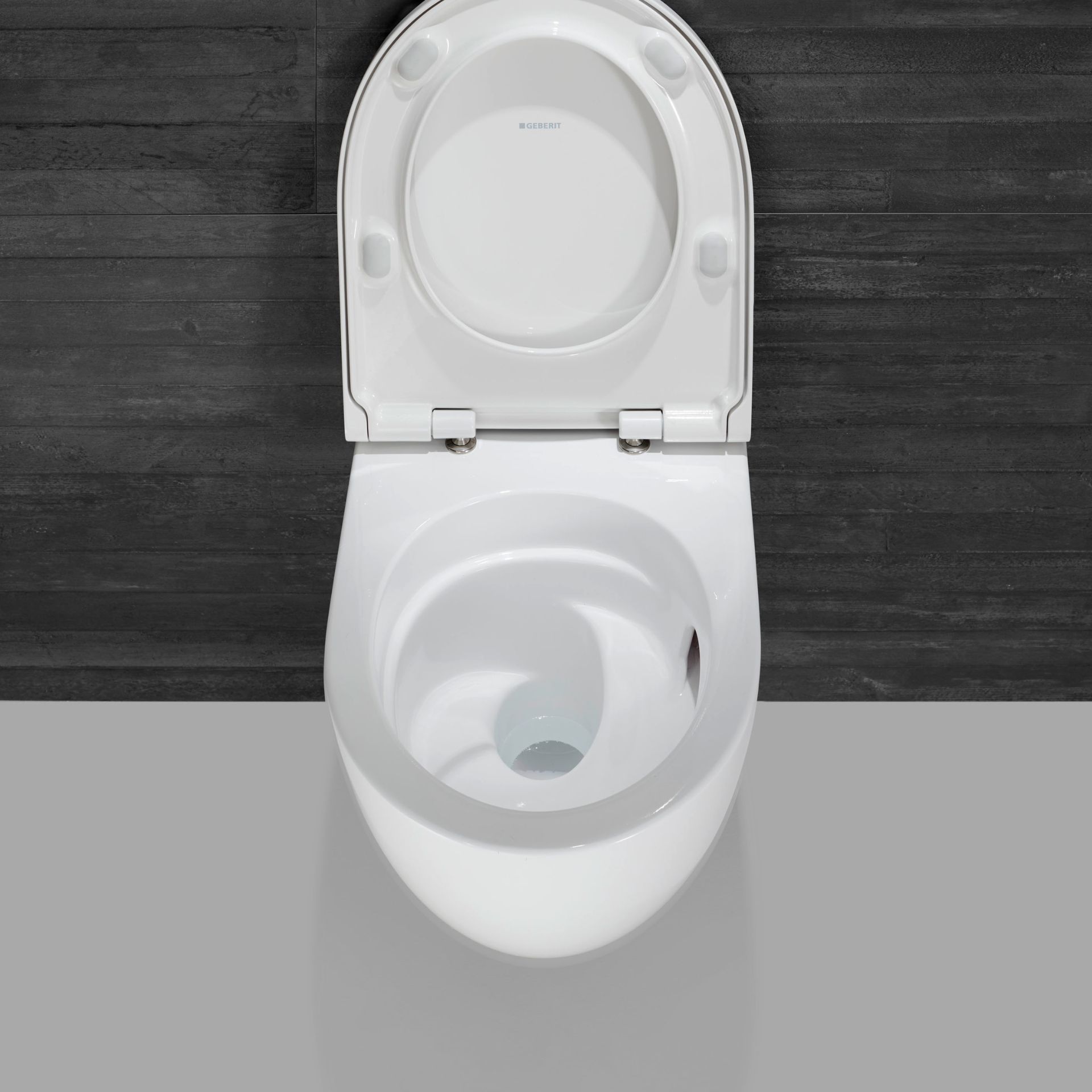
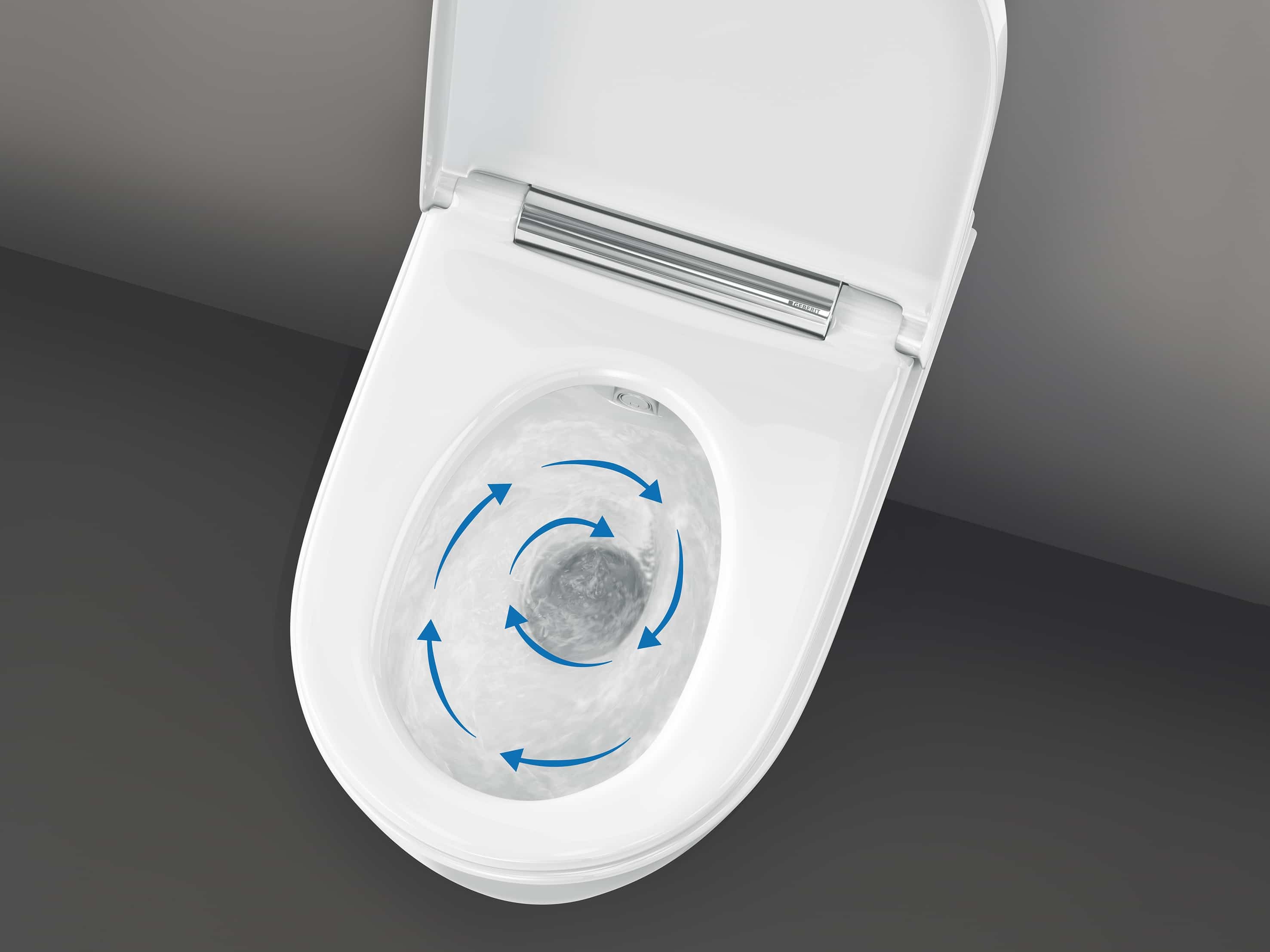
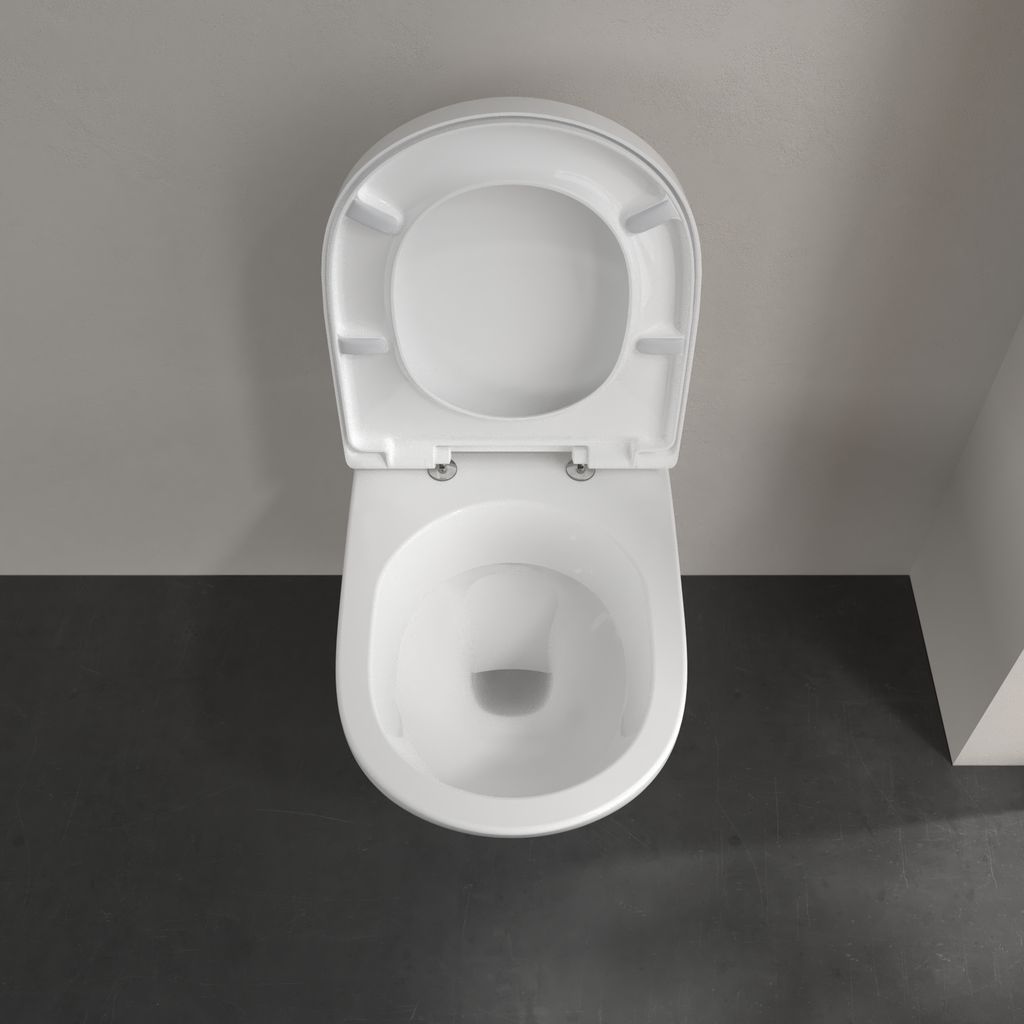
A rimless toilet does away with the traditional, surrounding rim. Instead, a special technology directs the water straight into the bowl. The result: less limescale and dirt buildup, and significantly easier cleaning. Rimless toilets are also often available as part of a toilet set.
Key features:
- No hidden areas for dirt to accumulate
- Open, hygienic toilet bowl
- Optimized water flow
Advantages and disadvantages
Rimless vs. conventional toilet
This comparison clearly shows why more and more households are switching to rimless toilets.
Buyer's Guide: What to look for
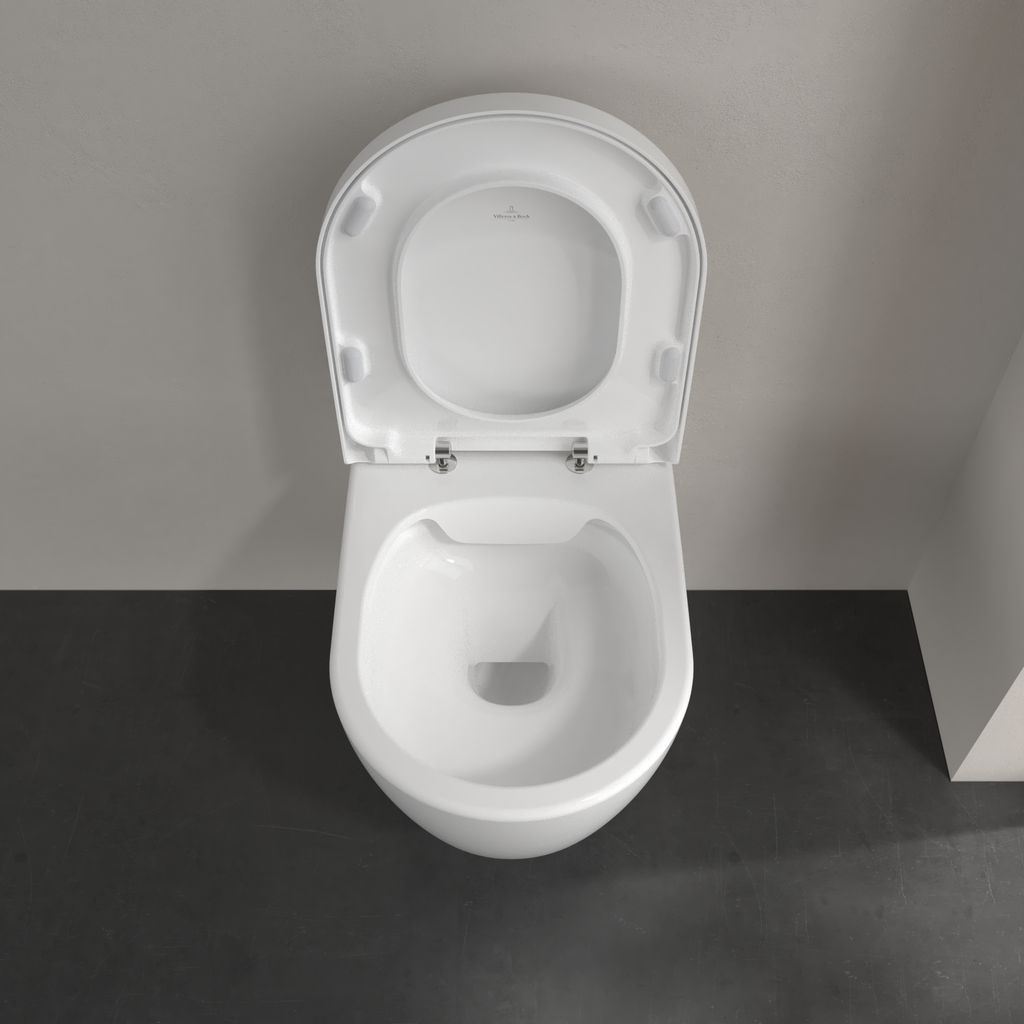
If you're looking to buy a rimless toilet, there are a few key criteria to consider to ensure you get a durable, high-quality model.
- Flushing Performance: A consistent and powerful flush is essential.
- Water Consumption: Efficient models use 3/4.5 or 3/6 liters of water.
- Coating & Material: Dirt-repellent ceramic makes cleaning easier.
- Comfort & Design: Wall-hung or floor-standing toilet, soft-close seat, height – choose everything to suit your bathroom.
- Compatibility: Check if the toilet is compatible with your existing cistern.
Assembly & Installation
Installation is similar to that of a standard toilet, but requires precision, especially with wall-hung models.
- Professional mounting and water connection are essential.
- Adjust the flush volume for optimal performance.
- If unsure, professional installation is recommended.
Popular manufacturers
Many brands offer rimless toilets in various price ranges and designs:





Who would benefit from a rimless toilet?
- Families and households with children
- People with high hygiene needs
- People who have little time for cleaning
- Hotels, restaurants, and public facilities