
Barrier-free toilet
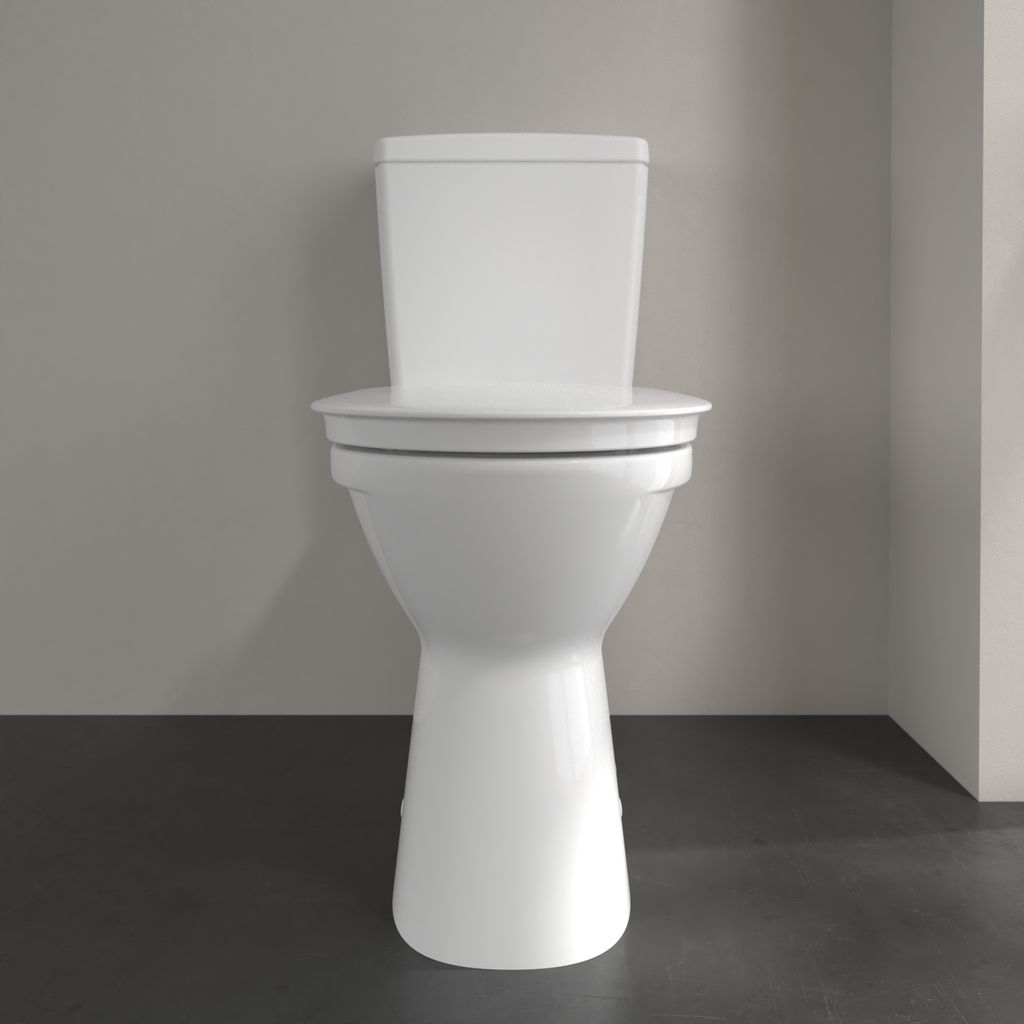
Whether for older people, those with physical disabilities or anyone wishing to make their bathroom future-proof – accessible toilets are the perfect solution for a barrier-free home. Find the right accessible toilet in our shop – our experts are on hand to offer personalised advice!

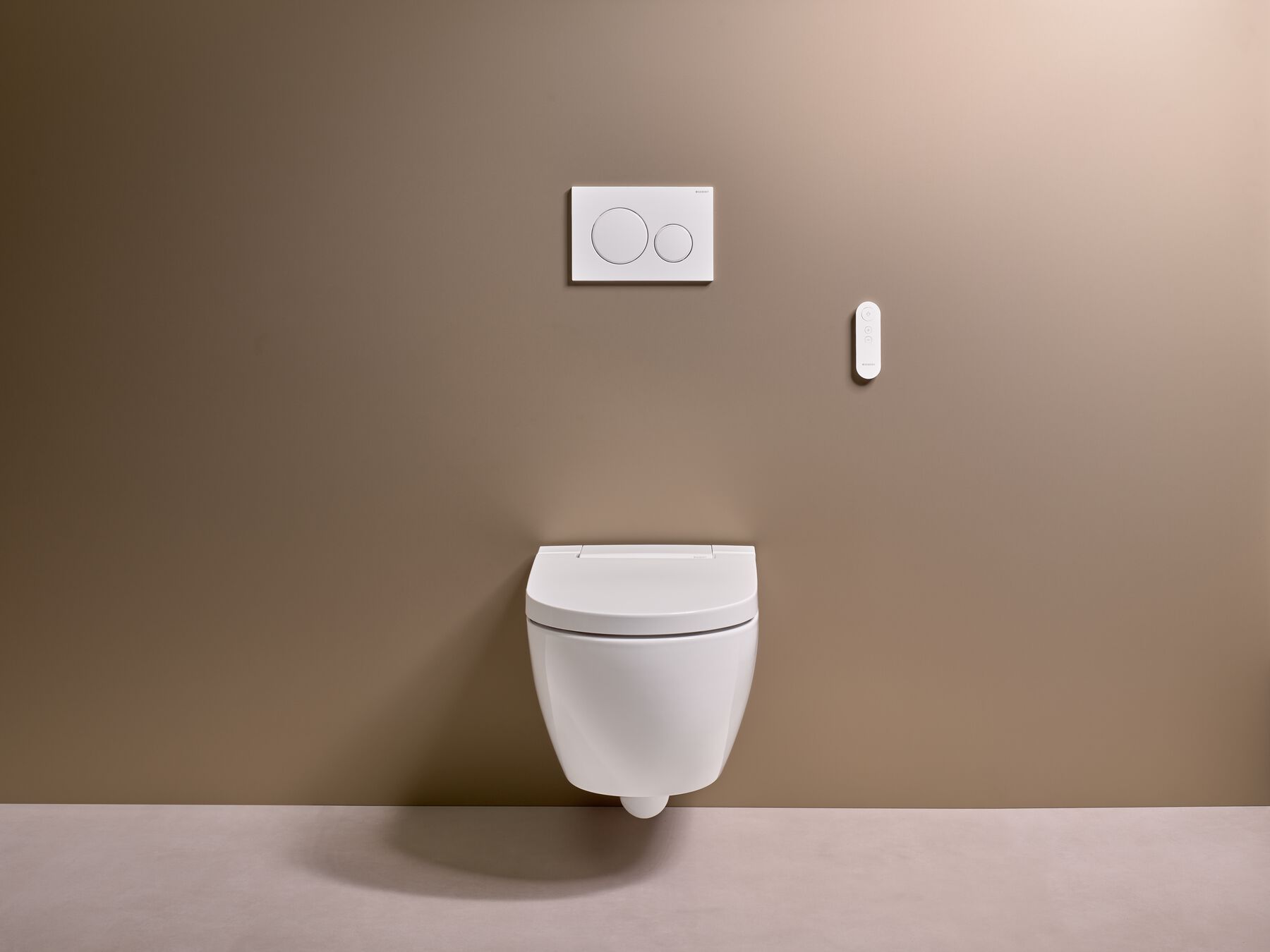
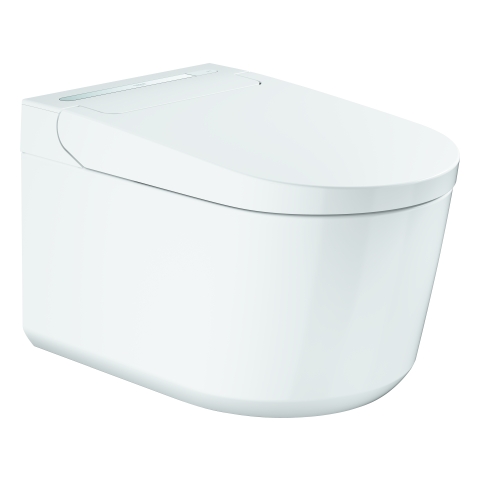


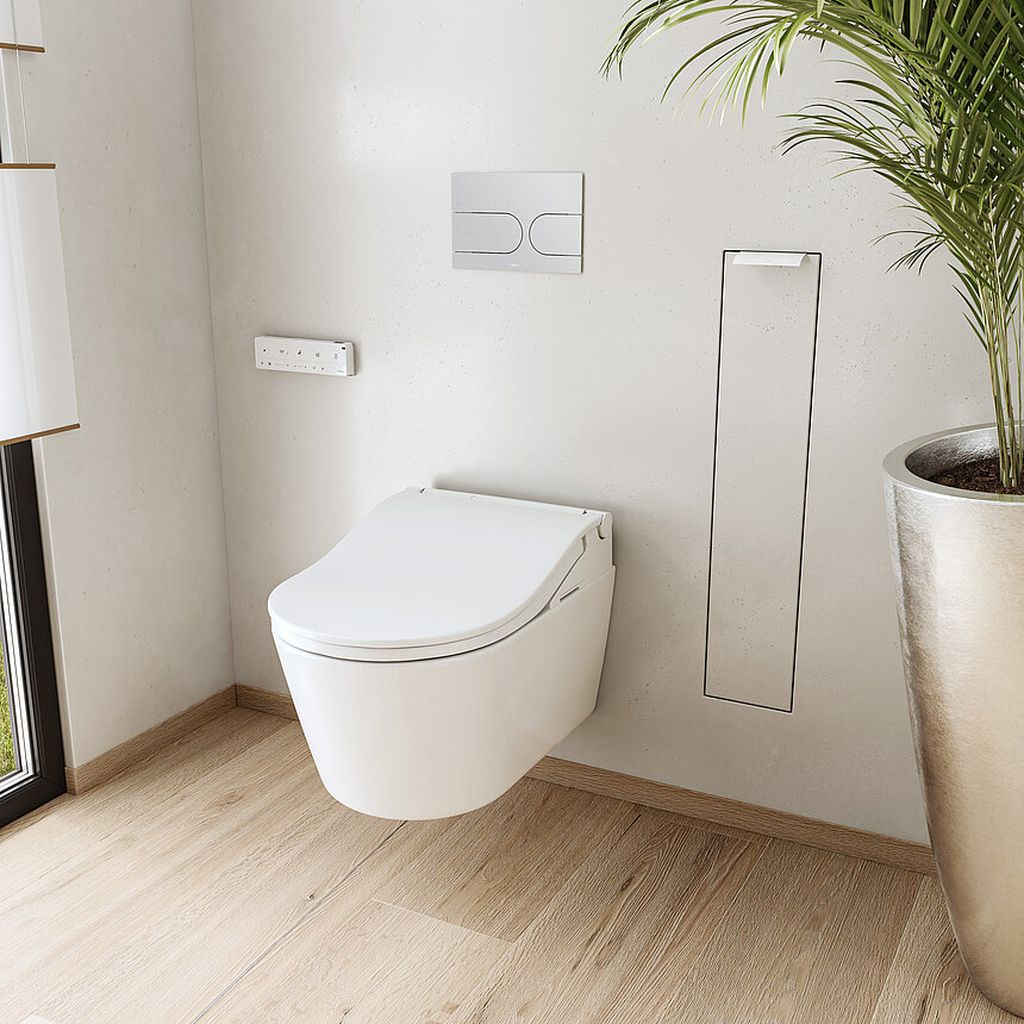
- Particularly hygienic and clean thanks to dirt-inhibiting EWATER+- instantaneous water heater- Automatic and manual descaling- Night lighting and instantaneous water heater- Energy-saving mode
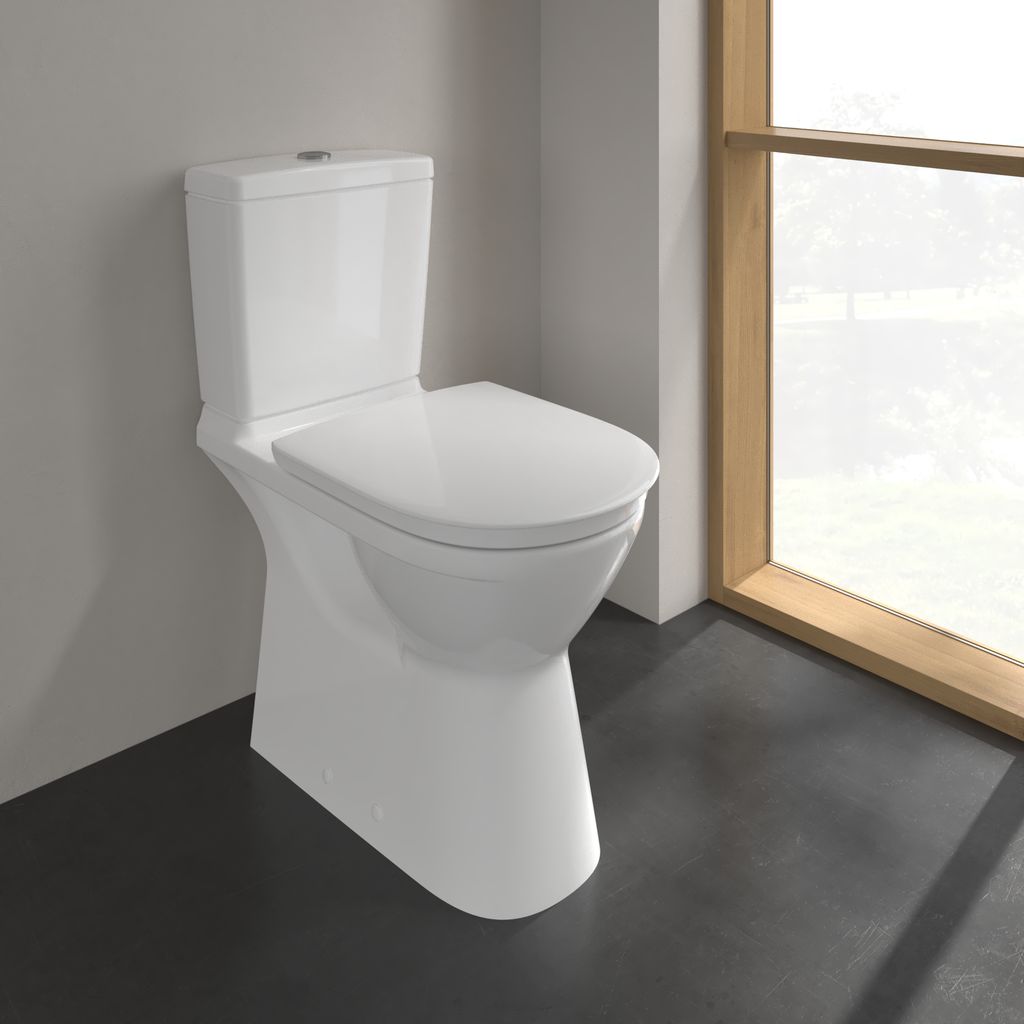


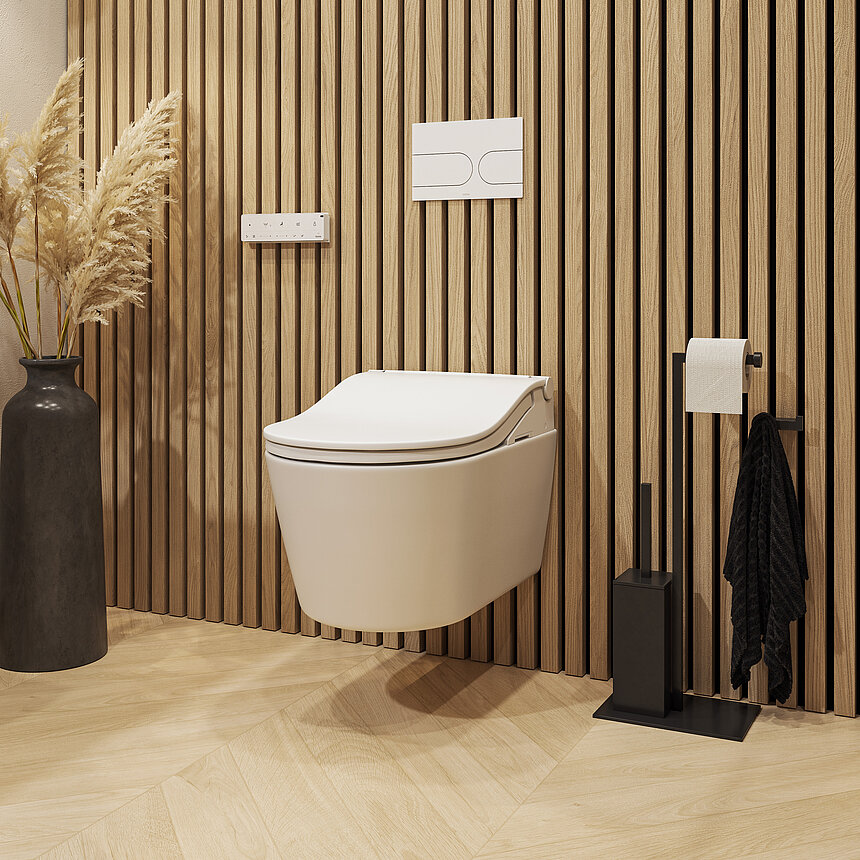


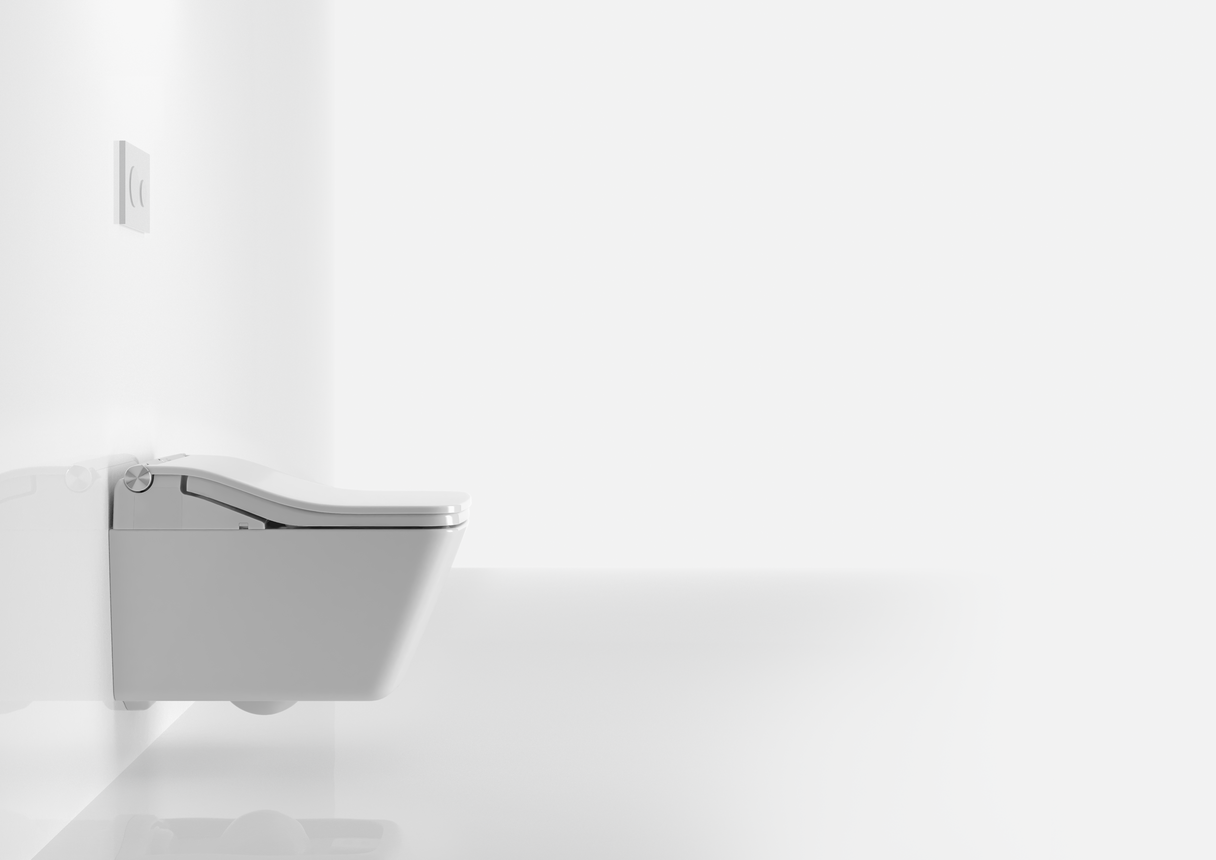
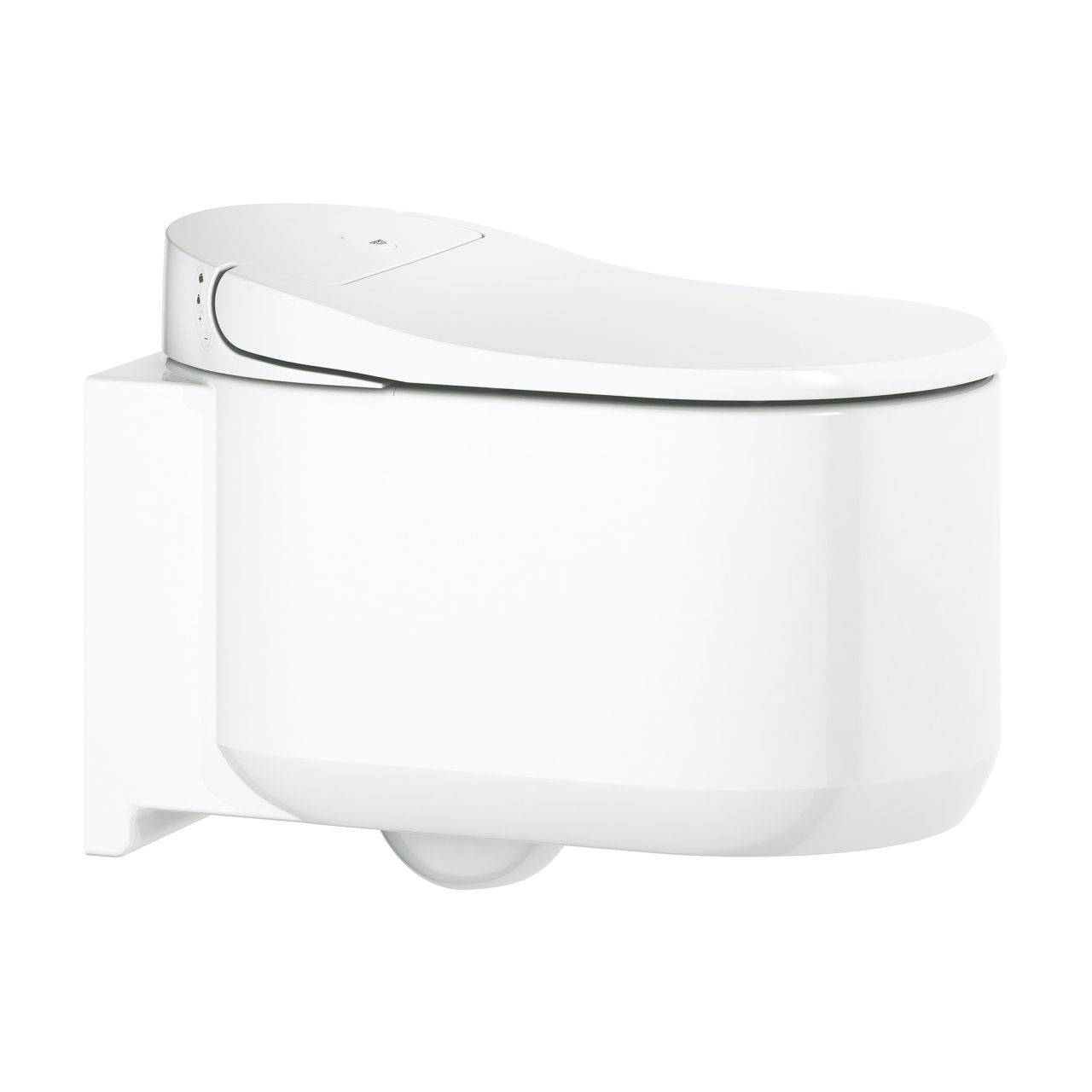
The WASHLET® SX EWATER+: modern design and advanced hygieneElegant and functional designThe WASHLET® SX EWATER+ is characterized not only by its simple, angular design, which blends harmoniously into any bathroom, but also by its advanced features, which ensure maximum hygiene and comfort.Innovative EWATER+ technologyA highlight of the WASHLET® SX EWATER+ is the unique EWATER+ technology. This electrolytically treated tap water has cleaning and dirt-inhibiting properties. It ensures that the wand nozzle is additionally cleaned with EWATER+ after each use, which maximizes the hygiene of intimate cleansing. The EWATER+ function can be activated via the remote control if required. This technology is particularly environmentally friendly, as the electrolytically treated water turns back into normal tap water after a while.Comprehensive cleaning functionsThe WASHLET® SX EWATER+ offers all the typical cleaning functions of a TOTO WASHLET®. Three different water jet types are available for intimate cleaning. A massage and oscillating function can also be added. The position of the water jet, the water pressure and the water and seat temperature can be individually adjusted. The memory function can be used to save the preferred settings for two users. All functions are easy to operate using the remote control supplied.Additional comfort and hygiene functionsIn addition to the comprehensive cleaning functions, the WASHLET® SX EWATER+ offers numerous comfort and hygiene functions. These include an odor-absorbing filter system, a heated seat, PREMIST technology and an automatic lowering function for the lid. The energy-saving mode activates automatically when the WASHLET® is not in use, thus contributing to energy efficiency.Easy maintenance and descalingDescaling the WASHLET® SX EWATER+ is straightforward and can be carried out both automatically and manually. Automatic descaling is carried out using a special program that uses a commercially available descaler recommended by TOTO. For manual descaling, the nozzle can simply be removed and cleaned.ConclusionThe WASHLET® SX EWATER+ impresses with its modern, sleek, angular design and offers numerous hygiene and convenience functions. Experience the perfect combination of style and advanced technology in your bathroom.

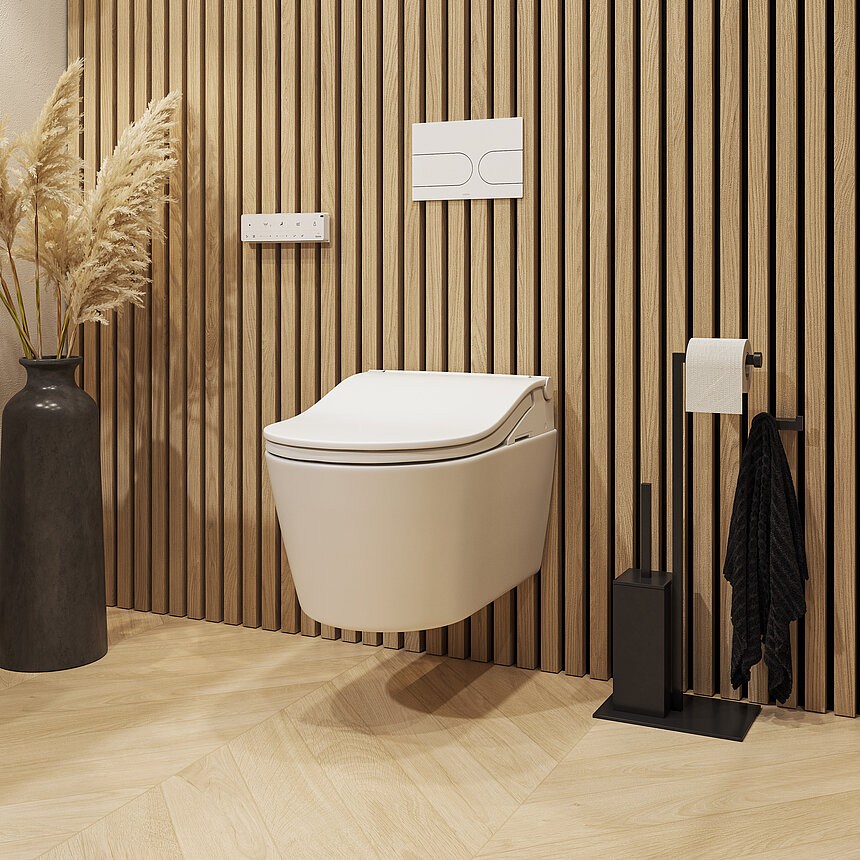


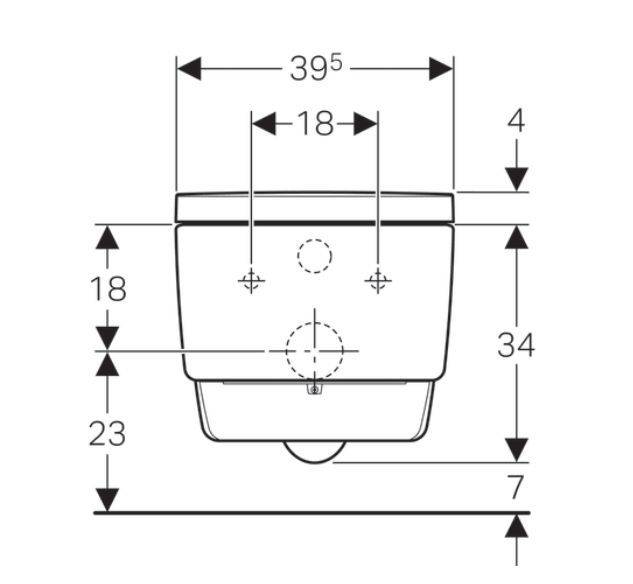
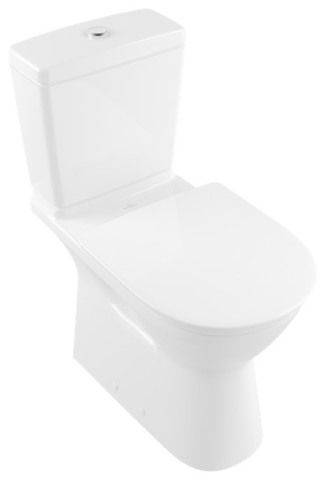


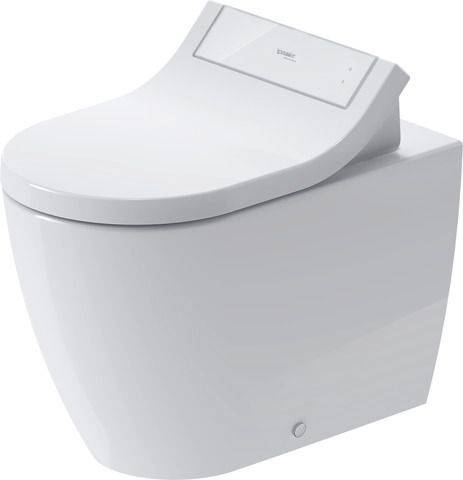


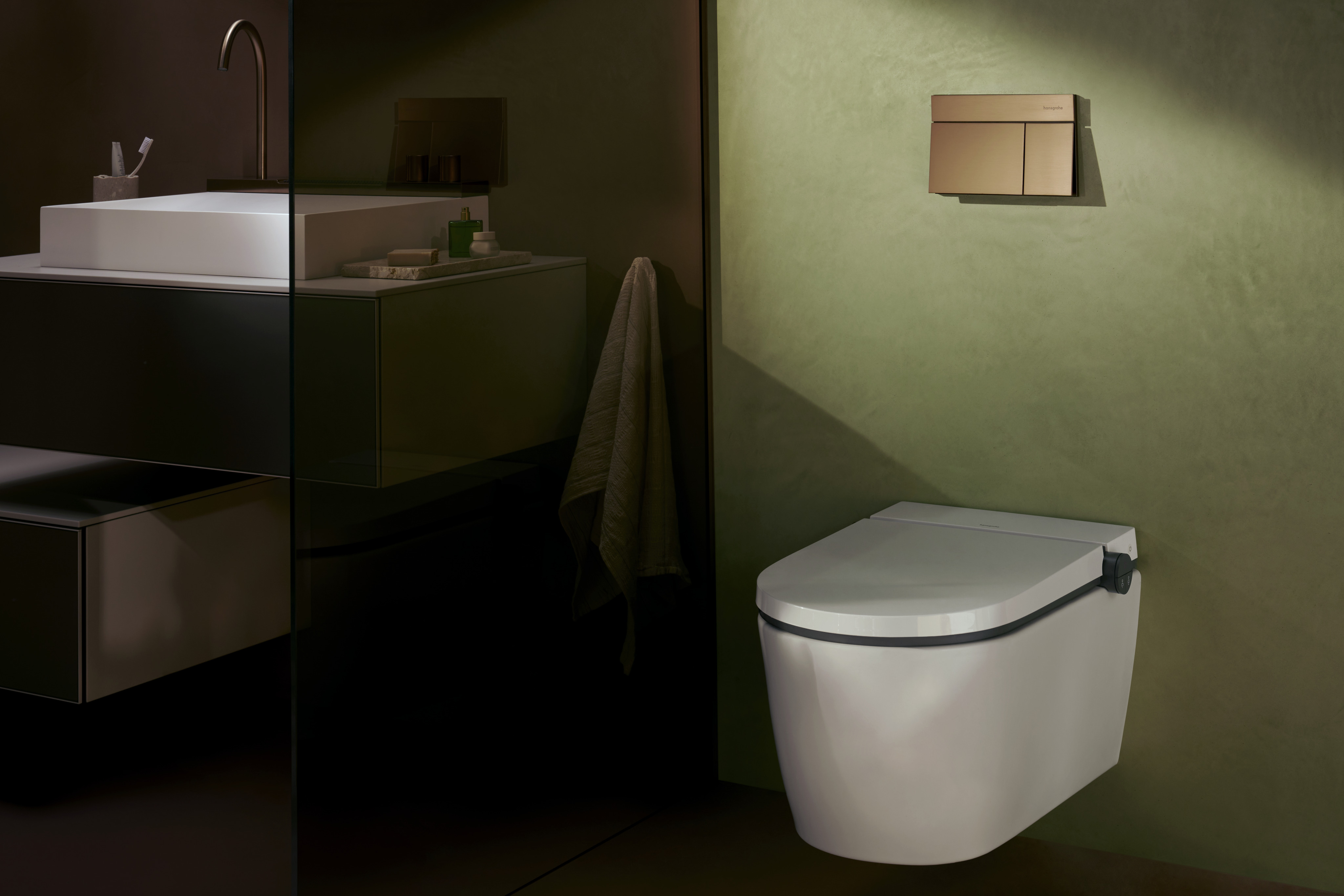
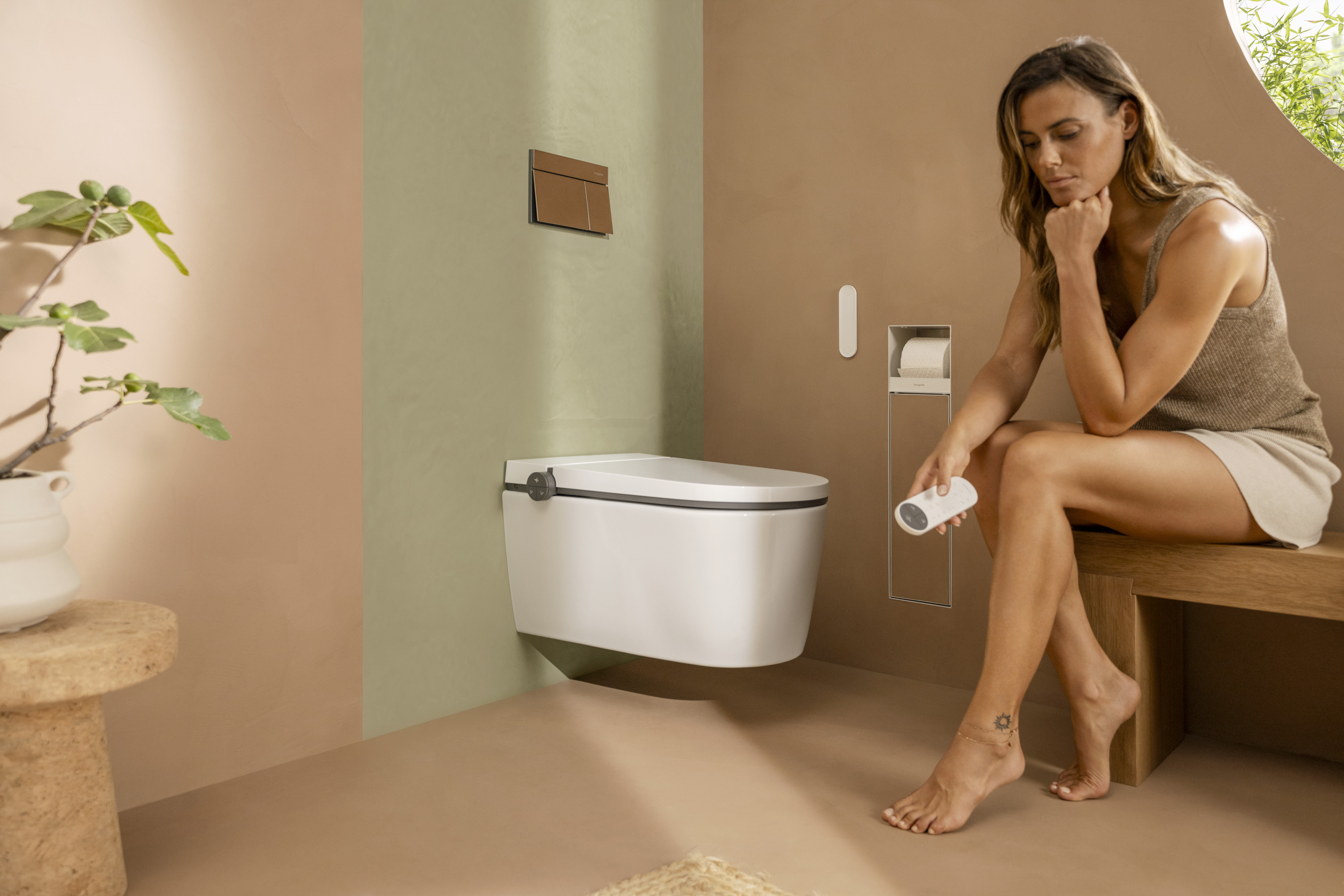

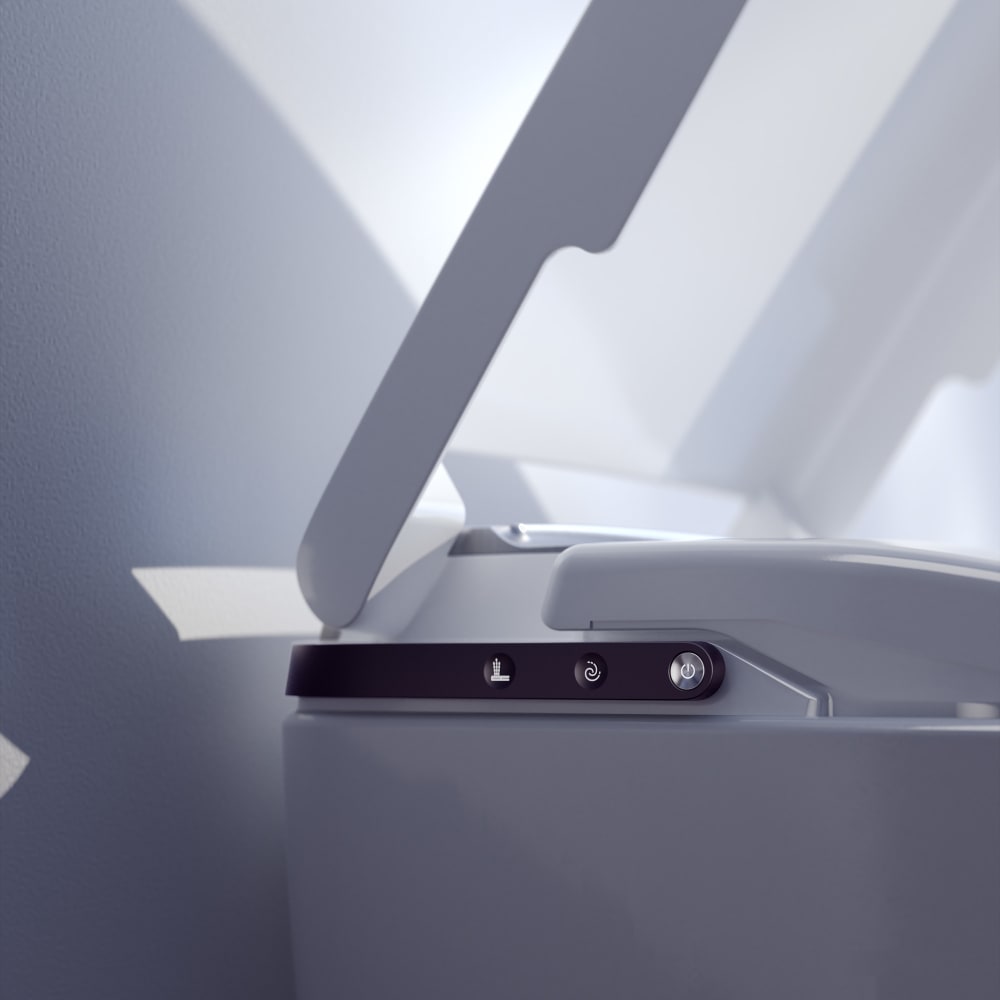

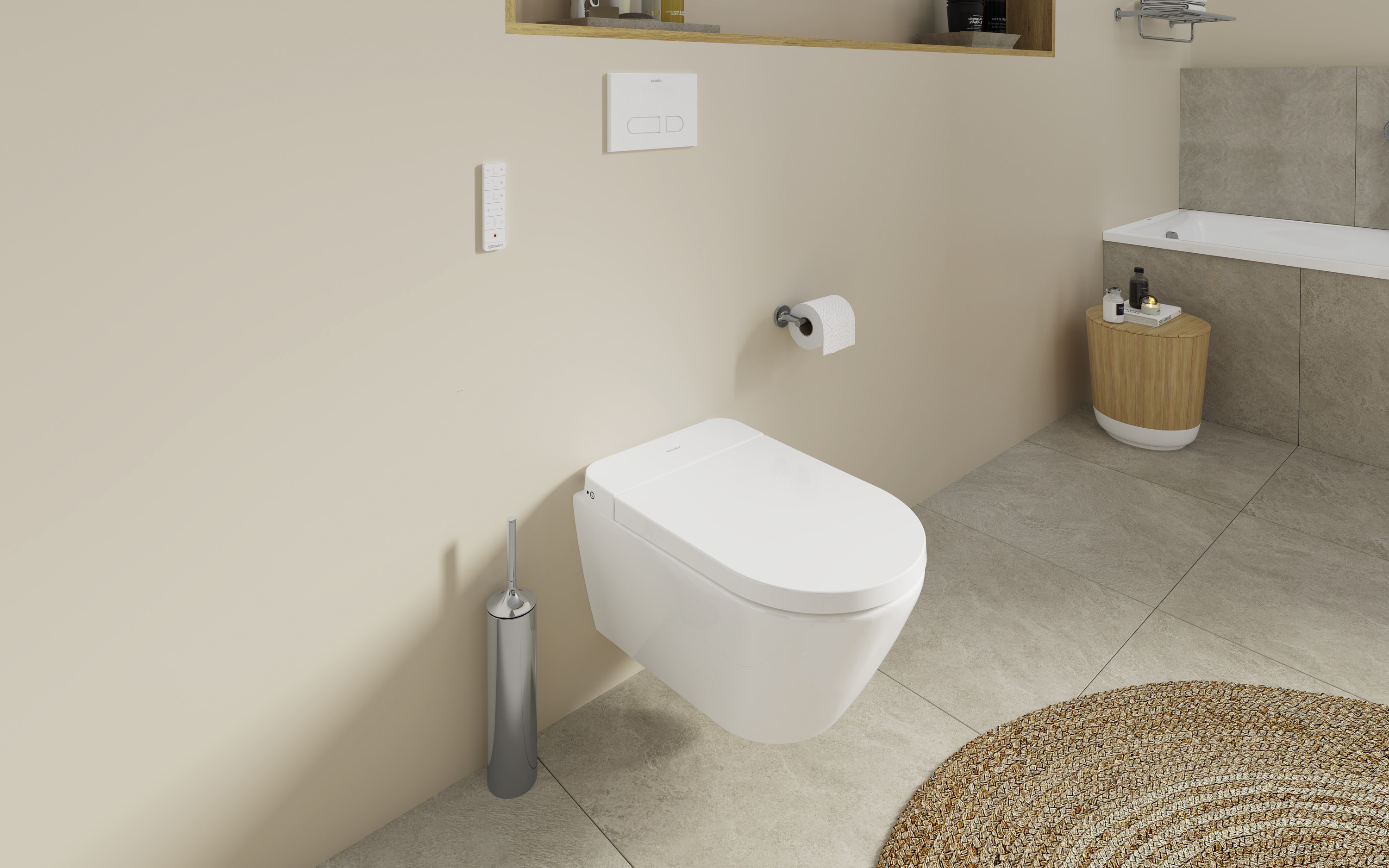
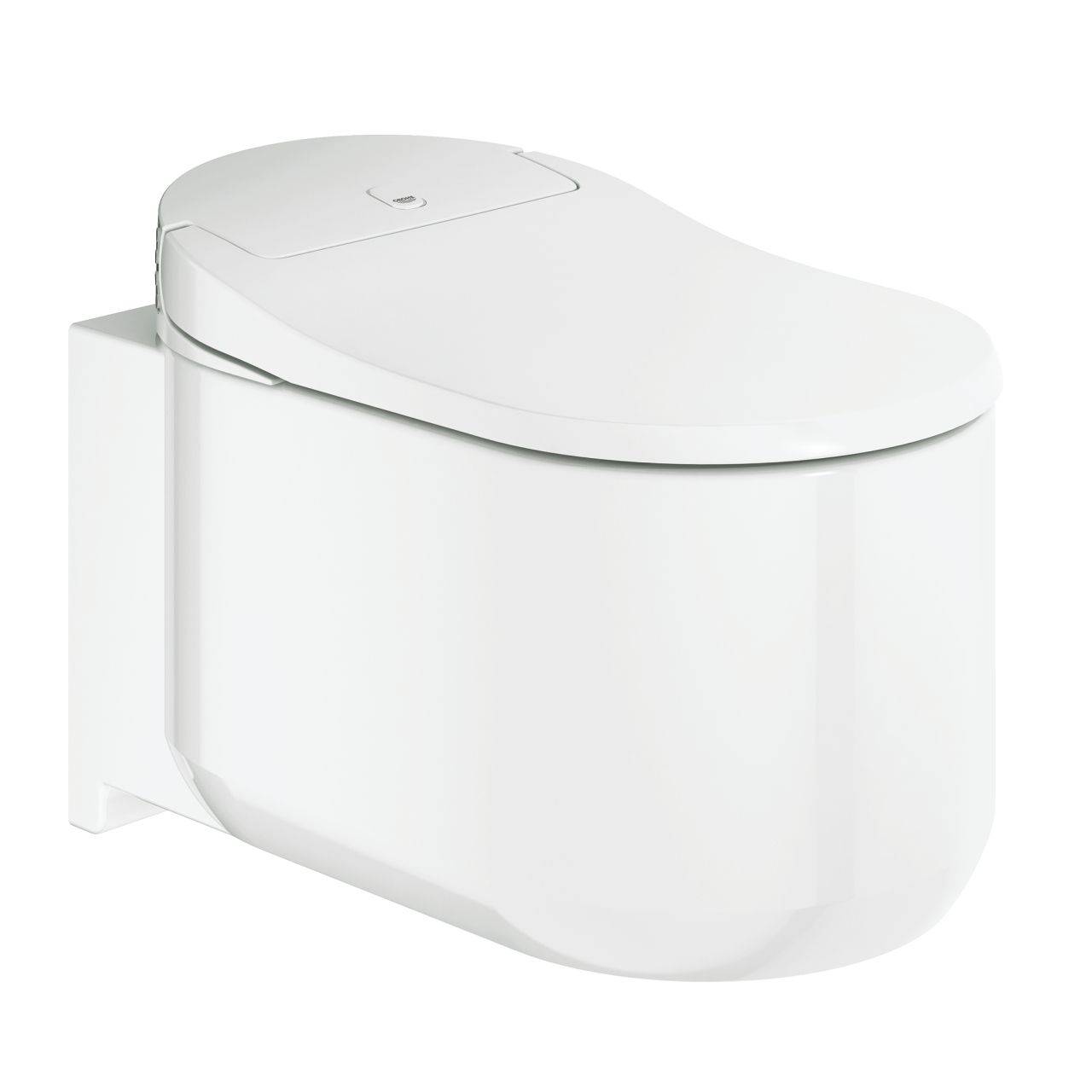

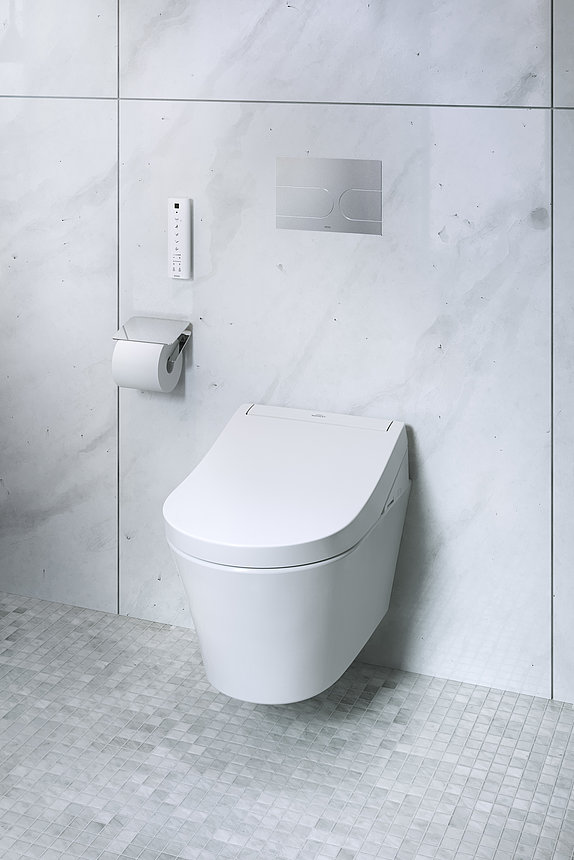
The WASHLET® RG: Elegant design and advanced hygieneStylish and simple designThe WASHLET® RG impresses with its simple design with soft, smooth lines that allow it to blend harmoniously into any room. It is now also available in a Lite version that offers the same high standard of quality and functionality.Unique EWATER+ technology for optimum hygieneAn outstanding feature of the WASHLET® RG is the innovative EWATER+ technology. This electrolytically treated tap water has cleaning and dirt-inhibiting properties that thoroughly clean the wand nozzle after each use. This function can also be activated via the remote control to clean the nozzle as required. EWATER+ is environmentally friendly as it turns back into normal tap water after a while.Comprehensive cleaning functionsThe WASHLET® RG offers all the cleaning functions that are standard on TOTO WASHLET® models. Three different water jet types are available for intimate cleaning. A massage and oscillating function can also be added. You can individually adjust the position of the water jet, the water pressure and the water and seat temperature. Thanks to the memory function, two users can save their preferred settings. All functions can be conveniently controlled using the remote control supplied.Additional comfort and hygiene functionsIn addition to the cleaning functions, the WASHLET® RG offers an odor-absorbing filter system, a heated seat, PREMIST technology and an automatic lowering function for the lid. The energy-saving mode is activated automatically when the WASHLET® is not in use, thus contributing to energy efficiency.Easy maintenance and descalingDescaling the WASHLET® RG is straightforward and can be done either automatically or manually. Automatic descaling is carried out via a special program using a commercially available descaler recommended by TOTO. For manual descaling, the nozzle can simply be removed and cleaned.ConclusionThe WASHLET® RG not only impresses with its elegant design, but also with its numerous hygiene and convenience functions. Experience the perfect combination of style, technology and user-friendliness in your bathroom.

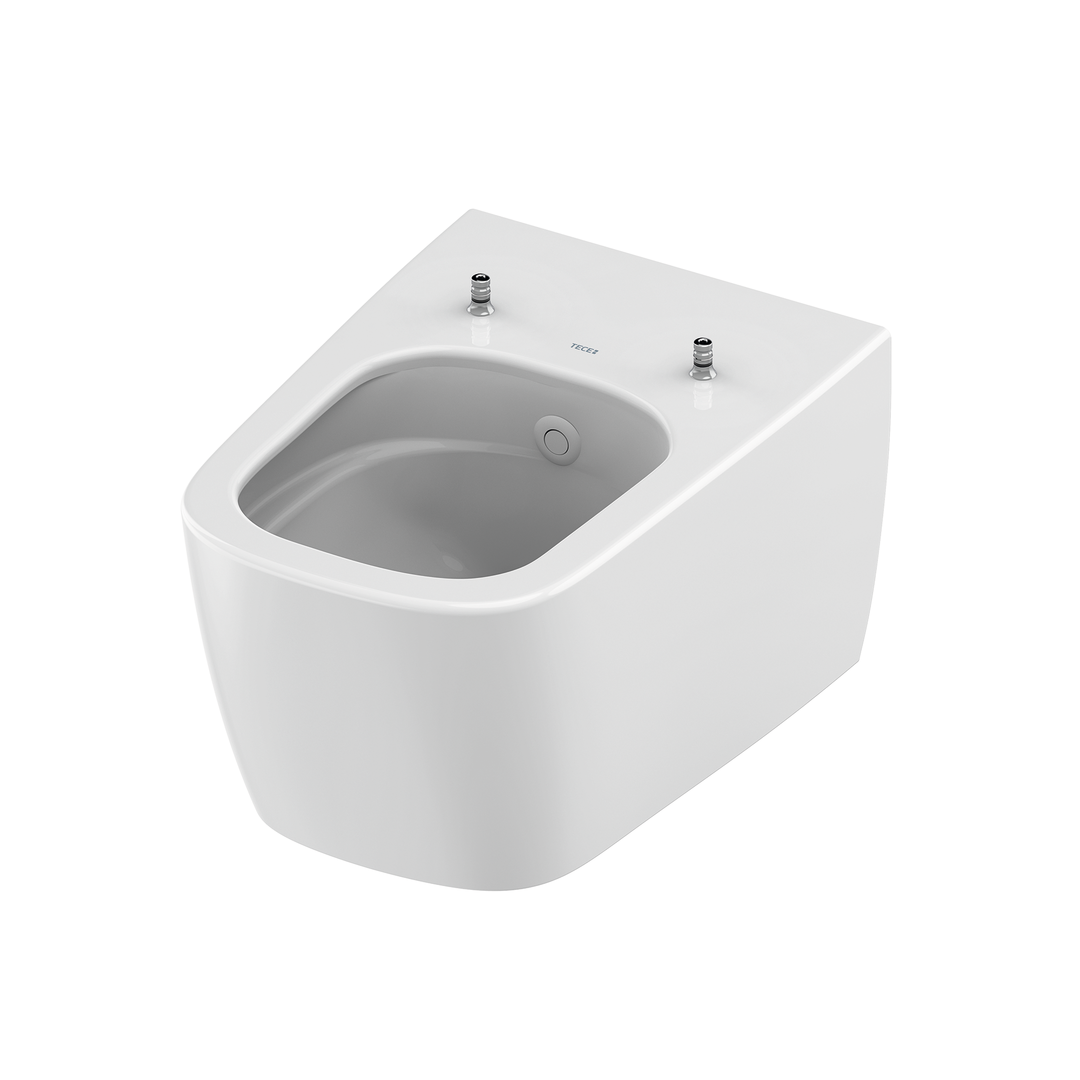
How does a barrier-free toilet differ from a conventional toilet?
A barrier-free toilet differs from a conventional toilet in several ways. The most important difference is the seat height, which is higher than that of standard toilets, making it easier to sit down and stand up. Barrier-free toilets are also often equipped with grab rails or folding support rails for additional safety. Access is step-free, and there is sufficient space to use the toilet with a walking frame or wheelchair.
Barrier-free toilets: dimensions and requirements
To qualify as barrier-free, a toilet must meet certain dimensions and requirements. DIN 18040-2 specifies the dimensions and features that barrier-free toilets must have in order to meet the needs of people with limited mobility.
Toilets according to DIN 18040
DIN 18040 defines the requirements for barrier-free and wheelchair-accessible toilets to ensure safe and comfortable use. A barrier-free toilet must have a manoeuvring area of at least 120 x 120 cm in front of the toilet to provide sufficient space for users with limited mobility. For a wheelchair-accessible toilet, a manoeuvring area of 150 x 150 cm is required to provide wheelchair users with sufficient space to transfer. These space requirements ensure that the toilet can be used safely and comfortably, regardless of individual needs.
Seat height of a barrier-free toilet
The seat height of a barrier-free toilet is generally between 46 and 48 cm, making it easier to sit down and stand up. The ideal seat height can be adapted to individual requirements to provide maximum comfort for the user.
Grab rails and folding support rails for barrier-free toilets
Grab rails and folding support rails play a central role in the safety of barrier-free toilets. They allow users to support themselves when sitting down and standing up, significantly reducing the risk of falls. Folding support rails are particularly practical, as they can be folded up when not in use to create additional space.
Special features and different types of barrier-free toilets
Barrier-free toilets are available in various designs to meet different needs. Options range from raised toilet seats and height-adjustable toilets to modern smart toilets with additional comfort features.
Raised toilet seats for accessible toilets
A raised toilet seat is a simple and cost-effective way to adapt the seat height of a conventional toilet to the needs of people with limited mobility. It makes sitting down and standing up easier and can be retrofitted when required.
Height-adjustable toilet
A height-adjustable toilet offers maximum flexibility, as its height can be adjusted as required. This is particularly practical in households where several people with different needs use the same bathroom.
Wheelchair-accessible toilet with transfer aid
Wheelchair-accessible toilets are specially designed for people who use a wheelchair. They offer additional features such as transfer aids, which make it easier to move from the wheelchair onto the toilet.
Shower toilets with convenient additional features
Modern smart toilets, known as shower toilets, offer numerous additional features such as integrated bidet functions, heated seats, automatic flushing and more. These high-tech toilets increase comfort and provide an even more convenient user experience.
FAQ: Frequently asked questions about barrier-free toilets
How much space does an accessible toilet require?
A barrier-free toilet must have a manoeuvring area of at least 120 x 120 cm in front of the toilet, while a wheelchair-accessible toilet requires a manoeuvring area of 150 x 150 cm.
Where can I buy barrier-free toilets?
You can purchase barrier-free toilets from specialist retailers or conveniently online in our shop.
Senior-friendly toilets or barrier-free toilets – what are the differences?
Senior-friendly toilets are primarily designed for elderly people and often feature a higher seat height, slip-resistant surfaces and sometimes grab rails to make sitting down and standing up easier. They provide additional comfort and safety but are not necessarily designed for users with severe mobility restrictions.
Barrier-free toilets, on the other hand, go a step further and meet strict structural requirements such as those set out in DIN 18040. In addition to a higher seating position, they provide sufficient manoeuvring space of at least 120 x 120 cm as well as grab rails or folding support rails specifically designed for people with disabilities or severe mobility restrictions.
How much does a barrier-free toilet cost?
The cost of a barrier-free toilet varies depending on the model and features. Basic models start at around €500, while high-quality smart toilets, such as shower toilets, can cost up to €5,000.
Is financial assistance available for installing a barrier-free toilet?
The cost of a barrier-free toilet varies depending on the model and features. Basic models start at around €500, while high-quality smart toilets, such as shower toilets, can cost up to €5,000.